Akita Age Calculator: Dog Years to Human Years
Dignified, loyal, and famous the world over — here's how an Akita's age converts to human years.
Akita age in human years
| Dog years | Human years | Life stage |
|---|---|---|
| 1 | 15 | Adolescent |
| 2 | 24 | Adult |
| 4 | 32 | Adult |
| 5 | 36 | Senior begins |
| 8 | 55 | Senior |
| 12 | 77 | Geriatric |
Figures based on The Royal Kennel Club's published large-breed guidance, as tabulated by Purina UK. For an exact figure, try the Dog Years calculator.
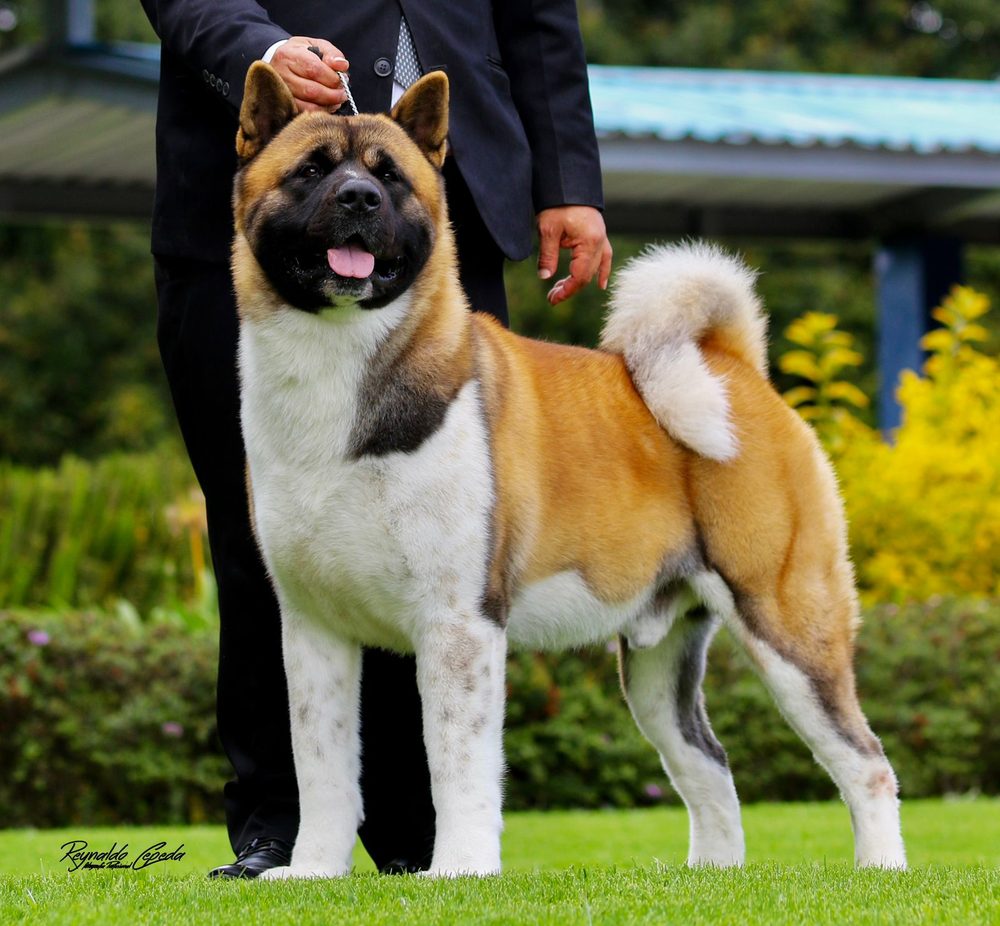
The Akita is classified by The Royal Kennel Club as a large breed, typically weighing 32–45 kg as an adult, with a median life expectancy of around 11.4 years, according to a 2024 analysis of UK veterinary records by Dogs Trust. Originally bred in Japan for hunting large game and guarding, and famous worldwide for the story of the loyal dog Hachikō, the Akita is dignified, courageous, and deeply devoted to its family.
What this means for your Akita
Hip and elbow dysplasia are relatively common in the breed given its substantial size, so watch for stiffness or reluctance to exercise as your Akita ages. The breed can also be prone to autoimmune conditions affecting the skin and thyroid, so any unexplained skin changes are worth a vet visit.
Bloat (gastric dilatation-volvulus), a life-threatening twisting of the stomach, is a particular risk for deep-chested large breeds like the Akita — knowing the warning signs (a swollen abdomen, unproductive retching, restlessness) and seeking emergency care immediately can be lifesaving.
When is an Akita considered a senior?
Under The Royal Kennel Club's size-adjusted guidance, large breeds like the Akita are generally considered senior from around 5 dog years old.
Related reading: Is the ×7 Rule Real? · Dog Life Stages Explained · Caring for an Ageing Dog
Compare: vs Siberian Husky · vs Alaskan Malamute · vs German Shepherd Dog
Parasite protectionAd
VetBox delivers monthly flea, tick and worm treatment to your door — one less thing to remember.
Check VetBox plans